The Importance Of Logistics In Global Equipment Expansion
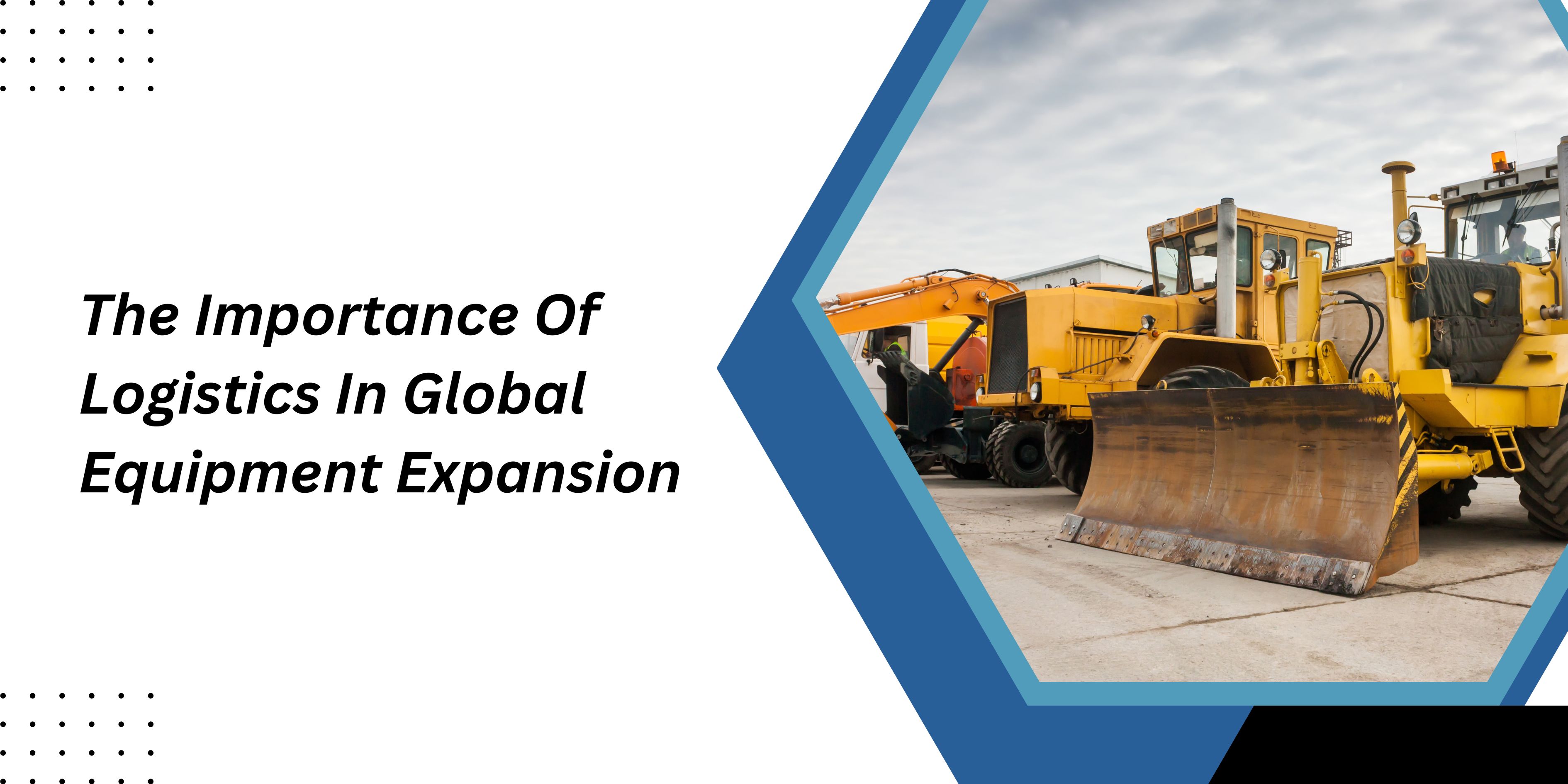
Expanding an equipment business across borders is an exciting opportunity, but success doesn’t come automatically. Selling machinery internationally is only part of the equation-getting it safely and efficiently to clients is what truly determines growth. Logistics is the engine that powers global expansion, connecting manufacturers, suppliers, and customers across continents. Without a well-planned logistics strategy, even the best products can face delays, damage, or regulatory hurdles. Understanding the critical role of logistics is essential for businesses aiming to thrive in global markets.
Logistics Forms The Backbone Of Global Business
Expanding an equipment business internationally is exciting, but it comes with challenges that go beyond finding customers or closing deals. The true test lies in moving machinery safely, efficiently, and on schedule. Logistics acts as the backbone of global operations, ensuring that every piece of equipment reaches its destination without delays or damage. Companies that overlook logistics often find their international ambitions slowed or derailed.
Planning Ahead Avoids Costly Mistakes
Many businesses focus primarily on sales and marketing, neglecting the critical role of logistics. Transporting heavy or oversized equipment requires careful planning, specialized handling, and precise timing. From choosing the right shipping method to ensuring safe loading and unloading, planning prevents costly errors and minimizes the risk of delays. Businesses that prioritize logistics gain a smoother entry into new markets and higher client satisfaction.
Understanding Regulations Is Essential
Every country has its own import rules, safety standards, and documentation requirements. Failing to comply can result in fines, shipment rejections, or long delays at customs. A solid logistics strategy includes preparing proper paperwork, ensuring compliance with local regulations, and anticipating potential hurdles before equipment leaves the warehouse. This proactive approach helps businesses maintain smooth operations and protects their reputation.
Timing Impacts Success
In sectors like agriculture and construction, timing is critical. Delays in delivering machinery can halt projects, disrupt schedules, and lead to lost revenue. Efficient logistics ensures equipment reaches its destination when it’s needed most. Real-time tracking, coordinated scheduling, and prompt problem-solving are essential to maintain deadlines. Businesses that deliver on time strengthen client trust and build long-term credibility in global markets.
Cost Efficiency Through Smart Logistics
Poor logistics planning can quickly escalate expenses, from extra storage fees to repairs caused by mishandling during transit. A structured logistics system minimizes risks, optimizes routes, and eliminates inefficiencies. This allows businesses to remain competitive with pricing while protecting profit margins, turning logistics into a strategic advantage rather than just an operational necessity.
Technology Enhances Efficiency
Modern logistics has been transformed by technology. GPS tracking, automated scheduling, and digital documentation provide transparency and control over shipments. Businesses can monitor every step of the delivery process, communicate instantly with partners, and respond quickly to issues. Technology also reassures clients, giving them visibility and confidence that their equipment is on the right track.
Strong Partnerships Strengthen Operations
International logistics cannot be handled alone. Shipping providers, freight forwarders, customs brokers, and local agents all play vital roles. Building strong relationships with reliable partners helps businesses navigate regional challenges, reduce costs, and improve efficiency. Choosing the right logistics partners is a strategic decision that can determine success in new markets.
Logistics Shapes Reputation
Delivery performance directly influences how a company is perceived. Equipment that arrives on time and in perfect condition reflects reliability and professionalism. On the other hand, frequent delays or damaged goods can harm credibility and make future expansion more difficult. In global markets, logistics often defines reputation as much as product quality.
Planning For Growth And Scalability
As a business expands internationally, logistics systems must scale with demand. Processes that work for a few shipments may not be sufficient for dozens or hundreds. Scalable logistics strategies ensure smooth operations as order volumes grow and new markets are added. Planning for scalability allows companies to expand sustainably without creating bottlenecks or operational chaos.
Logistics As A Strategic Growth Driver
Logistics is not merely a support function-it drives growth. Efficient systems connect manufacturers, suppliers, and clients across regions, transforming opportunities into tangible results. Businesses that master logistics gain a competitive edge, improving delivery speed, client satisfaction, and operational efficiency. Ultimately, logistics empowers businesses to expand with confidence and consistency.
Conclusion
Global equipment expansion is challenging, but logistics makes it manageable. Thoughtful planning, adherence to regulations, technology integration, and strategic partnerships are all essential components. Investing in logistics ensures equipment is delivered safely, on time, and cost-effectively, creating a foundation for trust, credibility, and long-term growth. Companies that prioritize logistics don’t just move machinery-they move their business forward into new markets and lasting success.

